

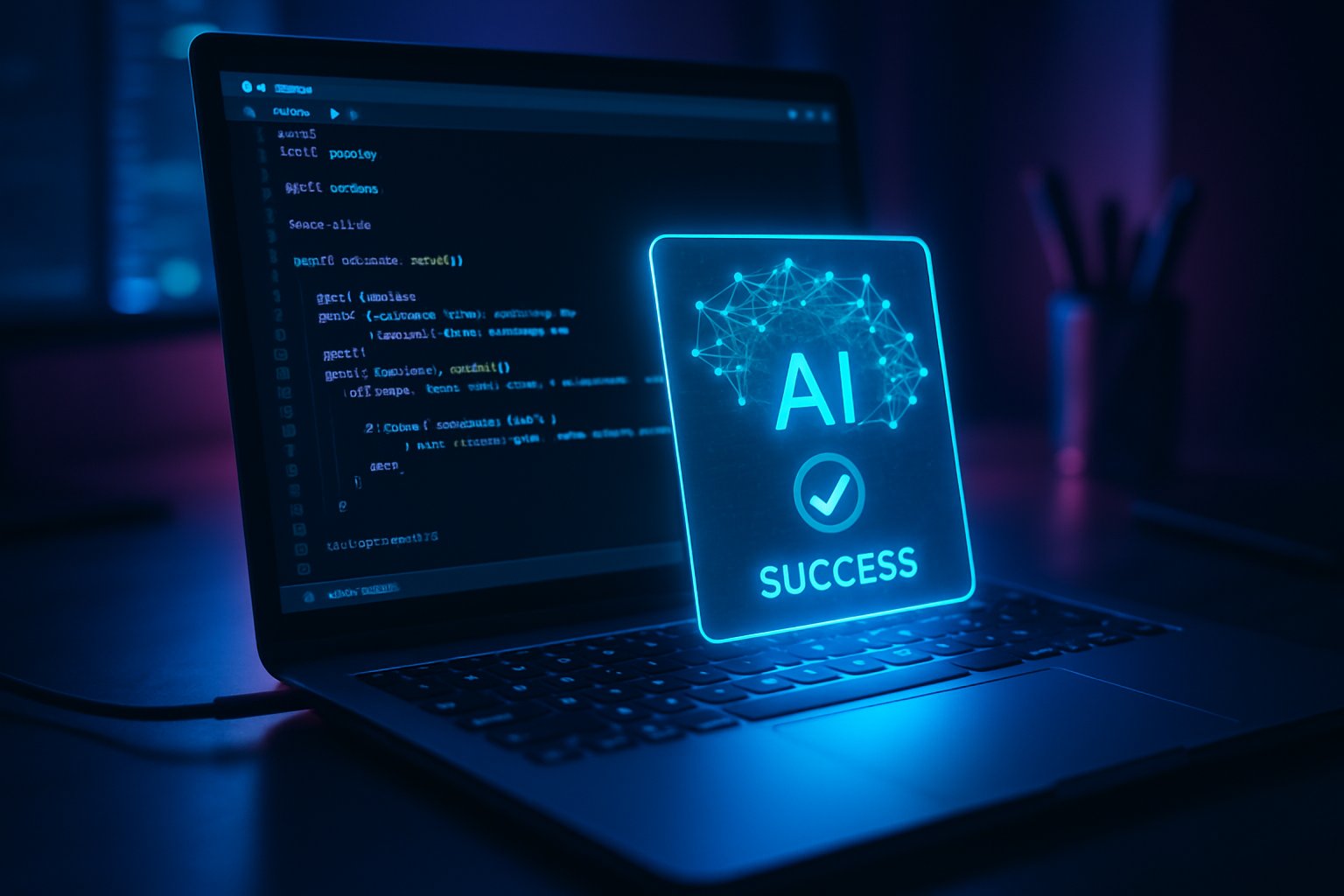
The traditional way of learning PHP—buying a 500-page book or watching 40 hours of static video tutorials—is officially a relic of the past. As we move through 2026, the “Agentic AI” revolution has turned the learning process into a personalized, interactive, and partially automated experience.
For aspiring developers, the question is no longer “How do I write this function?” but “How do I prompt the AI to build this architecture?” If you are looking to learn PHP with AI, the landscape has never been more exciting.
In 2024, tools like GitHub Copilot were “navigators,” suggesting the next line of code. In 2026, we have transitioned to AI Agents. These tools, integrated into platforms like PhpStorm and Cursor, don’t just finish your sentences; they plan entire features.
When learning PHP today, you can give a prompt like: “Build a secure user authentication system using PHP 8.4 and a MySQL database.” The AI agent will:
One of the most powerful ways to learn PHP with AI is through the new “Shadow Mode” available in AI-native IDEs. As you type, the AI predicts your next architectural move. If you’re about to make a common beginner mistake—like forgetting to sanitize an input or using an outdated mysql_connect function—the AI intercepts you in real-time.
Instead of a frustrating “red squiggle,” the AI provides an interactive chat explanation: “It looks like you’re trying to query the database. In modern PHP, we use Prepared Statements to prevent SQL Injection. Would you like me to show you how?” This turns every error into a tailored micro-lesson.
PHP in 2026 is about more than just scripts; it’s about frameworks like Laravel and Symfony. AI tools now have “Codebase-Awareness,” meaning they index your entire project locally.
When you are learning a framework, you can ask the AI to:
Because AI handles the “boilerplate” (the repetitive, boring code), the curriculum for learning PHP has shifted. To be a successful developer in 2026, your focus should move from syntax to systems.
If you’re ready to learn PHP with AI, here are the must-have tools for your 2026 stack:
Learning PHP with AI doesn’t mean you skip the fundamentals. You still need to understand logic, databases, and how the web works. However, AI removes the “frustration wall” that causes many beginners to quit.
By using AI as a tutor, debugger, and architect, you can cut your learning time in half and focus on what truly matters: building great products.



Get all latest content delivered to your email a few times a month.